

Delhi in talks with Tehran to let India-bound fuel ships pass

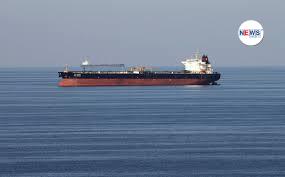
Delhi is in talks with Tehran to let India-bound fuel ships transit the Strait of Hormuz, closed by the Iranian military following the outbreak of war in West Asia.
“External Affairs Minister S Jaishankar and Foreign Minister of Iran Seyed Abbas Araghchi have had three conversations in the last few days. The last one discussed issues pertaining to safety of shipping and India’s energy security. Beyond that, it would be premature for me to say anything,” Randhir Jaiswal, spokesperson for the Ministry of External Affairs, said Thursday.
Sources indicated that since the talks are underway, it is still “work in progress”.
With maritime traffic through the Strait of Hormuz halted, India’s LPG imports have been significantly impacted. The country depends on imports to meet around 60% of its LPG requirement, and 90% of its LPG imports come from West Asia through the Strait. This effectively means that roughly 55% of India’s LPG consumption volumes are currently unavailable.
Meanwhile, an Indian crew member of a US-owned oil tanker was killed after the vessel came under attack in the waters near Iraq’s Basra – the third Indian seafarer to die in the ongoing war.
Confirming the death of the seafarer, the Indian embassy in Iraq said 15 other Indian crew members of the ship were evacuated.
“On March 11, 2026, a US-owned crude oil tanker, Safesea Vishnu, sailing under the Marshall Islands flag, was attacked near Basra, Iraq, in which one Indian crew member unfortunately lost his life,” the Indian embassy in Iraq said on social media. “The remaining 15 Indian crew have since been evacuated to a safe place,” it said.
Extending its “deepest condolences to the family members of the deceased crew member”, the embassy said it was in regular contact with Iraqi authorities and the rescued Indian sailors and was offering them all possible assistance.
With an India-bound ship coming under attack from suspected Iranian fighters, Delhi Wednesday “deplored” the targeting of commercial shipping in the Strait of Hormuz.
Jaiswal also said that Bangladesh, Sri Lanka and Maldives have reached out to India for energy supplies.
“India is a major exporter of refined petroleum products, especially to our neighbourhood. We have received a request from the Government of Bangladesh for supply of diesel, which is being examined. Given our people-centric and development-oriented approach to relations with Bangladesh, we have been supplying diesel from the Numaligarh Refinery (in Assam) since 2007 through various modes which includes waterways, rail, and later through the India-Bangladesh Friendship Pipeline. A sale-purchase agreement was signed in October 2017 between Numaligarh Refinery and Bangladesh Petroleum Corporation for supply of high-speed diesel on mutually agreed terms.”
“It bears mention that while diesel exports to Bangladesh have largely continued since 2017, India’s refining capacity, our own requirements, and diesel availability will be factored in while making decisions. In addition, I would also like to say that we have received such requests from several other countries including Sri Lanka and Maldives, and these are being examined taking into account our own energy requirements and availability that we have,” he said.