
Donald Trump says US ‘going to have a deal’ with India, ‘with much less’ tariffs. What we know so far…

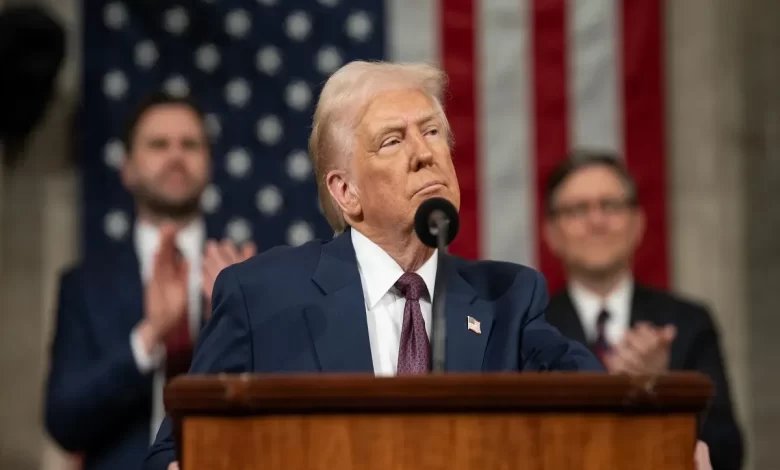
United States President Donald Trump on July 1 (local time) again confirmed that a trade deal between the US and India, with “much less tariffs” will soon be announced, according to a report.
“I think we are going to have a deal with India. And that is going to be a different kind of a deal. It is going to be a deal where we are able to go in and compete. Right now, India does not accept anybody in. I think India is going to do that, and if they do that, we are going to have a deal for much less tariffs,” Donald Trump said.
US-India BTA under works as July 9 tariffs deadline approaches
Notably, the two countries are aiming to have hammer out a Bilateral Trade Agreement (BTA) before the critical July 9 deadline of the 90-day pause on tariff escalations, the report noted.
It cited government sources saying that India has adopted a firmer stance on agricultural matters as talks have reached a pivotal moment. It was earlier reported that the Indian delegation, led by Chief Negotiator Rajesh Agrawal, has extended its stay in Washington.
Two negotiations were scheduled on July 3 and 4, but have been extended as both nations work urgently to finalise an interim trade agreement before a crucial July 9 deadline, as per the report.
Tariffs deadline looms: What is on the table?
The extended negotiations come as both countries face the looming return of suspended 26 per cent reciprocal tariffs. Imposed on April 2, it was paused for 90 days, and without another agreement, will likely automatically resume. “The failure of these trade discussions would trigger the immediate reimplementation of the 26 per cent tariff structure,” a senior official told the agency.
India’s hardened position reflects the politically sensitive nature of its agricultural sector. The country’s farming landscape is dominated by small-scale subsistence farmers with limited land holdings, making agricultural concessions particularly challenging from both economic and political perspectives.
Notably, India has never opened its dairy sector to foreign companies and appears reluctant to break this practise even under US pressure.
The US is pushing for reduced duties on agricultural products, including apples, tree nuts, and genetically modified crops.
While, India is seeking preferential access for its labour-intensive exports, such as textiles and garments, Gems and jewellery, Leather goods, and agricultural products like shrimp, oilseeds, grapes, and bananas.
The ultimate goal is ambitious: more than doubling bilateral trade from the current $191 billion to $500 billion by 2030.